The Day Everything Changed: Detectorists’ Genuine Life-Changing Finds
 admin
Posted On November 25, 2025
admin
Posted On November 25, 2025
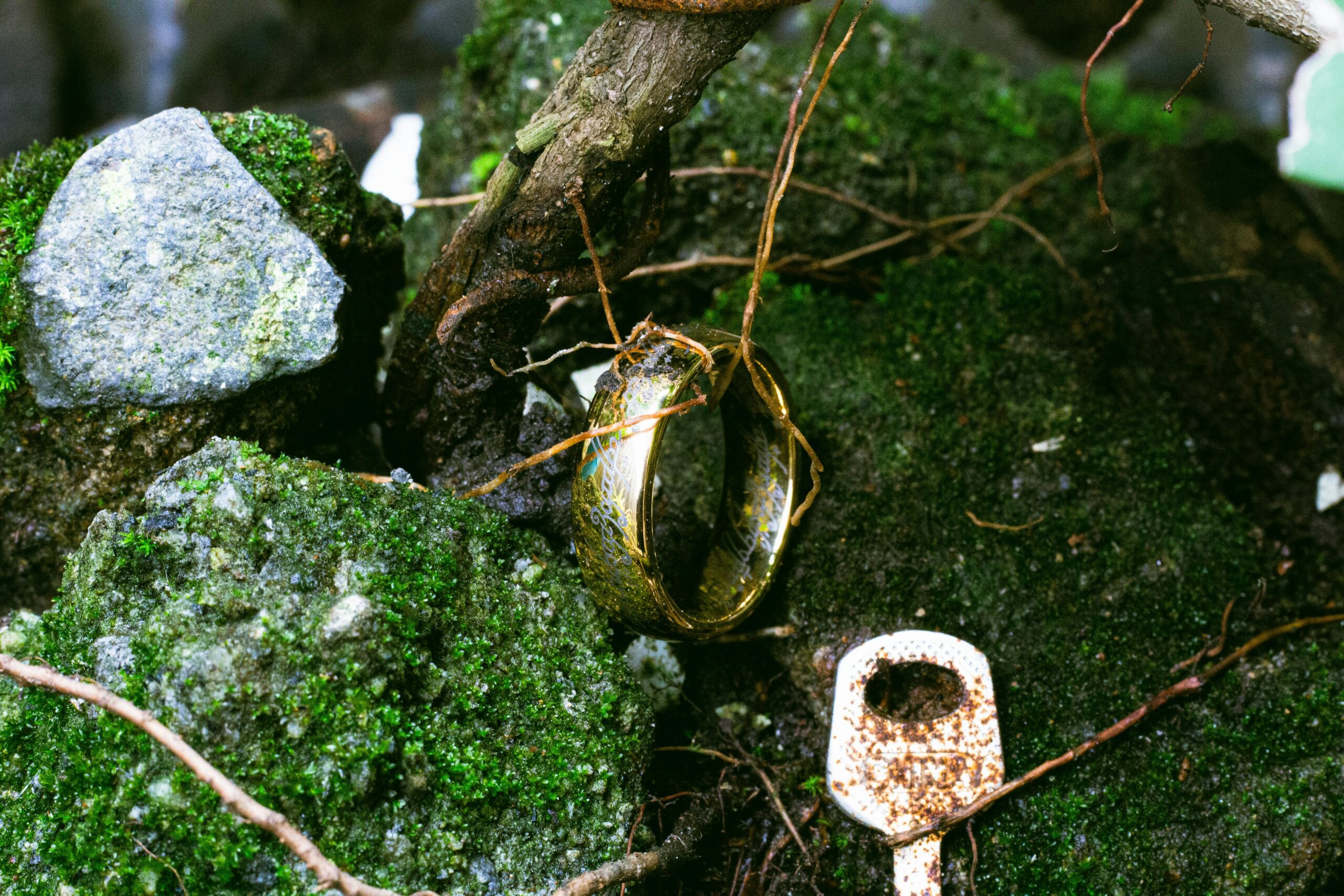
Most days with a detector are not cinematic.
They are mud, ring pulls, mystery blobs, an aching shoulder and the quiet satisfaction of a few decent bits in the finds pouch. Then, very occasionally, there is a day that tilts the entire orbit of your life. Not just because there is money in the ground, but because everything that comes after – the people you meet, the work you do, the way you think about history – is permanently different.
These days do happen. Not many of them. But enough to prove that “life-changing find” is not just YouTube bait.
Here are some real ones.
Eric Lawes and the lost hammer that was not
In November 1992, retired gardener Eric Lawes went into a Suffolk field with a detector that had been given to him as a retirement present. He was not out treasure hunting. A farmer friend, Peter Whatling, had lost a hammer and asked him to help find it. Instead of a hammer, Lawes picked up a strong signal, dug down, and started turning up gold and silver spoons and coins. He stopped, did the boring sensible thing, and called it in. Archaeologists came out the next day. What they uncovered was the Hoxne Hoard: nearly fifteen thousand late Roman coins and about two hundred pieces of gold and silver jewellery and tableware, now recognised as the largest hoard of late Roman gold and silver ever found in Britain. Wikipedia+2Smithsonian Magazine+2
Eric received a substantial reward under treasure law, shared with the landowner. The hoard was acquired by the British Museum, where it fills a gallery case and several books, rather than a string of auction catalogues. Wikipedia+1 His quiet life on the Suffolk-Norfolk border never went back to how it was. Overnight, a man who had been given a detector to look for a hammer became, in the eyes of the press and the public, “the man who found Rome in a field” and a walking advert for doing things properly. The Guardian+1
More importantly, Hoxne became one of the cases that pushed along reform of treasure law in the 1990s and helped make the case for better systems for reporting and rewarding finds. Wikipedia+1 A single day out looking for a hammer fed into national legislation, museum displays, academic careers, and the entire culture around how detectorists are supposed to behave. The life that changed was not just Eric’s. It was ours.
Terry Herbert and the field full of Anglo-Saxon war gear
Fast forward to 2009, a farm field near Hammerwich in Staffordshire. Local detectorist Terry Herbert, using what has been widely reported as a cheap second-hand detector, started picking up scraps of gold on a newly ploughed field. The Guardian+1 What emerged, after archaeologists took over, was the Staffordshire Hoard: almost 4,600 pieces of gold and silver metalwork, mostly martial fittings from high status Anglo-Saxon weapons and armour, now recognised as the largest hoard of Anglo-Saxon gold and silver ever found. Wikipedia+1
The hoard completely shifted the centre of gravity for early medieval archaeology in England. Suddenly Mercia was not just a line in a history book but a kingdom whose war gear you could stare at in a glass case. A public appeal raised just over 3.28 million pounds so that Birmingham Museum and Art Gallery and the Potteries Museum in Stoke-on-Trent could buy the hoard jointly and keep it in the region. Wikipedia+3rescue-archaeology.org.uk+3The Guardian+3
Terry and the landowner shared the reward under the Treasure Act, but the real “day everything changed” was bigger than the cheque. That one discovery created permanent jobs in conservation and research, spawned exhibitions, documentaries and the Mercian Trail, and dragged thousands of ordinary visitors into galleries that suddenly had a golden helmet and sword fittings to show them. Wikipedia+2Wikipedia+2
For Terry, life changed from low-key hobbyist to national figure, invited to openings and interviews, forever linked to one field and one moment when his coil passed over the right signal. For the Midlands, it changed how the region tells its own story.
Dave Crisp and the pot that would not stop
In April 2010, Somerset detectorist Dave Crisp was back on familiar land near Frome. He had already found a small scatter of late Roman coins there. This time he hit what he called a “funny signal”, dug down about thirty centimetres, and found a small pot. He saw one coin, realised this was not just another stray, and did the thing that separates adults from goblins: he stopped, filled the hole back in, and called the experts. Wikipedia+1
When archaeologists excavated the pot, they discovered the Frome Hoard: 52,503 Roman coins dating from the third century, one of the largest Roman coin hoards ever found in Britain. Wikipedia+1 The hoard was eventually valued at a bit over 320,000 pounds. With help from the National Heritage Memorial Fund and other grants, the Museum of Somerset bought it so it could stay in the county. Wikipedia+2The Guardian+2
More than a decade later, the museum is still building exhibitions around that pot. When Frome Museum reopened with a new display telling the story of the hoard, Dave Crisp and the farming family whose land he was on were guests of honour at the launch. Frome Nub News You can picture it: the detectorist, the farmer, the mayor, all standing in front of a replica pot filled with coins that once sat quietly under a field. That is the life-changing part no one mentions in the headlines.
Crisp did not just get a payout. He got a permanent relationship with a museum, a story that his name will be attached to on labels and in guidebooks for as long as those coins are on display, and a stronger bond with the farmer whose land now has a story that goes far beyond yields and grazing. Everyone in that triangle – detectorist, landowner, museum – walks away changed.
Derek McLennan and the Viking time capsule
In 2014, a team of detectorists led by Derek McLennan were out on church land in Dumfries and Galloway. McLennan dug up what he first thought might be a silver spoon, then wiped the dirt away and saw a design he recognised as Viking. His senses, as he put it later, “exploded”. The Guardian+2National Geographic+2
That moment turned into the Galloway Hoard, a Viking-age treasure of more than one hundred gold, silver and other objects weighing over five kilograms, buried around the year 900 and now described as one of the most exceptional finds of its type in Britain or Ireland. Wikipedia+2National Museums Scotland+2 The hoard includes arm rings with runic inscriptions, a rare pectoral cross, a silver-gilt vessel with origins as far away as modern Iran, and fragile textiles preserved by the way the hoard was packed. National Museums Scotland+2The Times+2
National Museums Scotland acquired the hoard after a legal process and paid McLennan a reward close to two million pounds, in line with Scottish practice. The Guardian+1 That alone would have been life-changing for most people. But, again, the longer story is more interesting. McLennan and his wife have since worked with detector manufacturer Minelab, helping to field-test new machines, and the hoard has gone on an international exhibition tour, dragging Viking Scotland into museums and media on the other side of the world. The Guardian+1
One day in a ploughed field turned a hobby into a semi-professional role testing equipment, spawned years of research jobs for conservators and academics, and created a travelling exhibition that is reshaping what people think the Viking age in Scotland looked like.
Not just hoards, not just money
It is easy to think that “life-changing” only applies when a find is valued in seven figures and ends up in a big national museum. The truth is more subtle.
The vast majority of detectorists who say “that find changed my life” are not talking about money. They mean:
- The hammered penny that got them into serious research, and eventually into volunteering with their local Finds Liaison Officer or museum.
- The small hoard or special object that brought them into a long-term friendship with a landowner, turning a polite permission into a genuine partnership.
- The donation that meant a local museum suddenly had something decent to build an exhibition around, and they became part of that story.
- The club find that led to public talks, school visits, and a new confidence in front of a room.
Hoxne, Staffordshire, Frome, Galloway: these are just the big, shiny versions of that pattern. A person goes out with a detector. They behave well when the moment comes. The result is not just a cheque, but a chain of new relationships and responsibilities that fans out for years.
The real “day everything changed”
The funny thing about these stories is that the life-changing bit is not when the detector beeps. It is what happens in the five minutes after.
- Eric Lawes could have hacked out as much as he could carry and gone home. Instead he stopped and called it in. Smithsonian Magazine+1
- Dave Crisp could have dug that pot to the base, dragged it out and filmed a “coin rain” moment for Facebook. He did not. Current Archaeology+1
- The finders of Staffordshire and Galloway could have fought the system tooth and nail and tried to maximise every last pound at auction. Instead, those hoards ended up in museums, intact, on public display, feeding research and exhibitions that will outlast all of us. The Guardian+3Wikipedia+3rescue-archaeology.org.uk+3
That is the common thread. The day everything changed is not just about being in the right field. It is about what you do when the soil starts producing things that do not belong on your kitchen table.
So yes, keep dreaming about that signal that will make your headphones go strangely quiet and your heart speed up. But also understand that the “life-changing” part is rarely the gold itself. It is the friends you make because you handled it well, the invitations to museum openings and school talks, the feeling of walking into a gallery with your kids or grandkids and being able to say, “See that label there? That started with a day I nearly just stayed at home.”
Most days, detecting is about small wins and long walks. A few days, very few, blow the doors off your life. Prepare for those by behaving like the sort of detectorist who deserves them.

Trending Now
The Day Everything Changed: Detectorists’ Genuine Life-Changing Finds