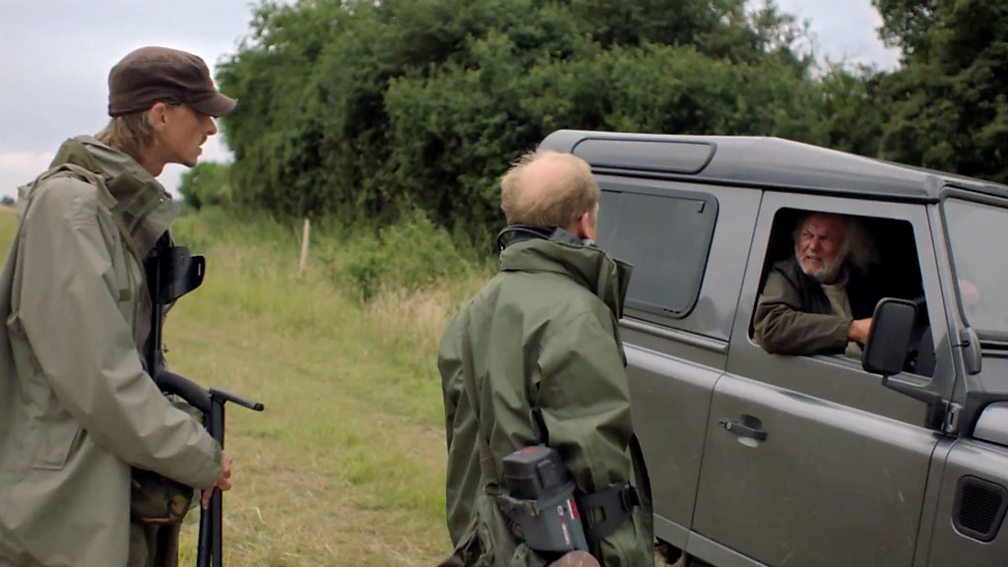

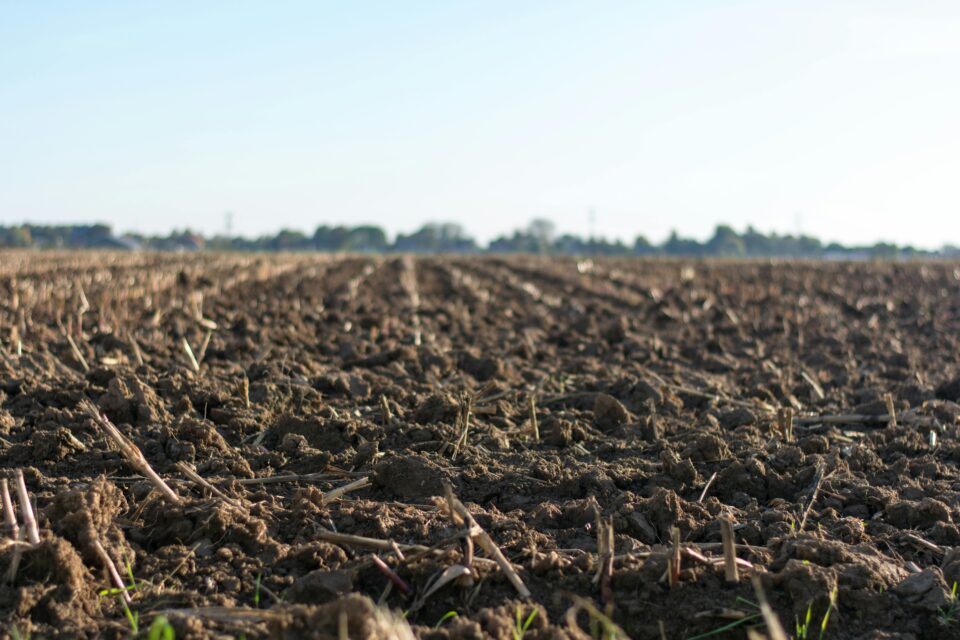
There is a particular kind of British therapy that does not involve candles, affirmations, or anyone asking you to “sit with your feelings.” It involves standing in a damp field at an indecent hour, questioning your life choices, while your headphones quietly report, in monotone, that the ground contains yet another piece of agricultural disappointment.
And yet, somehow, you go home better than you arrived.
This is the strange truth of metal detecting: it can be miserable in all the obvious ways, and still be one of the most reliable mental resets you will ever find.
Not because it is glamorous. It is not. Detecting is basically a long walk while listening to beeps, punctuated by kneeling in mud and meeting rust at close range. But it does something the modern world struggles to offer: it gives your brain a job that is simple, physical, and meaningful.
Modern life is loud. Not just in sound, but in demand. Messages, notifications, pressure to respond, pressure to perform, pressure to be seen. Even leisure has become productivity with better branding. Detecting does the opposite. The field does not care who you are, what you do for work, or whether you have “big plans.” The field only cares if you have permission and whether you fill your holes properly. It strips everything back to basics.
That is the first mental health benefit: reduced cognitive load.
When you are scanning, you are not multi-tasking. You are not half-listening to someone while doom-scrolling. You are paying attention to one narrow band of information: the tones, the numbers, the repeatability, the shape of the signal, the ground. This is not mindfulness in the social media sense. It is forced focus. It is attention with a purpose. The mind has less room to spiral when it is busy interpreting whether that scratchy mid-tone is a button, a bit of lead, or a can that hates you personally.
The second benefit is embodied movement.
For a lot of people, stress lives in the body long after the brain has “moved on.” Detecting makes you walk. It makes you breathe outside air. It makes you use your hands. It makes you bend, kneel, stand, and move with intention. It is not extreme exercise, but it is steady, and it is outdoors, and both of those things are known to support mood and reduce stress for many people. The key point is that you are not trapped in the same chair, in the same room, with the same mental loops.
The third benefit is a sense of control.
If you are anxious, depressed, burnt out, or just mentally stretched, the world can feel chaotic and unresponsive. Detecting gives you a domain where effort is directly linked to outcome, even if the outcome is often “more rubbish.” You choose the grid. You choose the pace. You choose the settings. You decide what you dig. You see the results of your actions immediately: a neat plug, a recovered object, a clean-up of modern scrap, a field left tidy. That sense of agency, even in small doses, is powerful.
The fourth benefit is time that behaves properly.
Time in a field is different. It has edges. It has a beginning and an end. There is no infinite feed. There is no “just one more video.” The daylight dictates your session. The weather dictates your session. The farmer’s schedule dictates your session. This external structure is weirdly calming because it reduces decision fatigue. You are not endlessly choosing. You are simply doing.
And then there is the emotional benefit that does not get talked about enough: connection to something bigger than you.
Not in a grand spiritual way, necessarily, but in a human way. You are walking on land that has been walked for centuries. Even your worst day detecting is still a day spent in a place that has held other lives, other routines, other losses, other ordinary moments that never made it into books. When you find something small and personal, a thimble, a button, a token, a worn coin, it quietly re-calibrates your perspective. Your problems are still real. But they sit differently when you are holding a little object that survived time.
Now, a reality check.
Detecting is not a replacement for professional support. If you are struggling significantly, it is not a cure. It is a tool. A good one, for many people, but still a tool. Also, detecting can trigger frustration: permissions lost, empty sessions, physical fatigue, the social politics of clubs and rallies. If your mental health is fragile, you need to be honest about what helps and what drains you.
So how do you make detecting better for your head, not worse?
Keep your expectations grounded. Most sessions are not highlight reels. If you go out hunting viral moments, you will come home disappointed. If you go out for the walk, the focus, and the quiet, you will almost always come home steadier.
Detect for process, not outcome. Set yourself goals that are within your control: cover a grid properly, practise neat plugs, take all your rubbish home, log your finds, learn one thing about the land’s history. Finds are the bonus.
Protect the permission relationship. Anxiety loves uncertainty. A stable permission reduces stress. Communicate clearly. Respect boundaries. Be reliable. The calmer your access, the calmer your hobby.
Go alone sometimes. Go with trusted people sometimes. Both have value. Solo detecting can be deeply restorative. Good company can be protective. The key word is trusted. Not every group is good for the nervous system.
And finally, accept the British truth: mud is part of it.
There is something oddly grounding about physical discomfort that is mild, voluntary, and temporary. The mud, the cold, the wind, the ache in your knees, they remind you that you are alive in a body, not trapped in a mind. They also make the simple comforts feel earned: a hot drink, a warm car, a shower, a decent meal. It is hard to overthink your entire life when you are just happy your socks are dry again.
So yes, detecting can be mud and misery. But it is also quiet, focus, agency, and connection. It is a small door out of the noise.
And if your worst day in a field still beats your best day scrolling, that is not you being strange. That is your brain recognising what it needed all along: less feed, more field.