

Let’s retire the cute euphemisms. Nighthawking is not “a bit naughty,” not “grey area,” not “just lads having a swing after dark.” It’s trespass, theft, and the deliberate stripping of heritage from land it doesn’t belong to them. It’s the part of the hobby that makes farmers suspicious, archaeologists furious, and honest detectorists look guilty by association.
And yes, it’s common enough that every serious detectorist has heard the stories. The “mate” who “found it on his permission” but can’t name the farmer. The person selling “fresh dug” coins with conveniently vague provenance. The group chats where locations are traded like contraband and people talk about “getting on before it’s planted,” as if crops are the only thing that matters.
Here’s what nighthawking actually does, beyond the obvious criminality. It burns trust. Permissions don’t disappear because farmers suddenly hate history. Permissions disappear because farmers hate risk. A landowner sees fresh holes, strangers at night, gates left open, tyre tracks where they shouldn’t be, and then they hear there are people with metal detectors who “aren’t like that.” It’s irrelevant. They don’t want to run a hobby theme park. They want their land managed, secure, and predictable. Nighthawks make it none of those things.
It also destroys archaeology in the most depressing way: not with a dramatic act of vandalism, but with careless extraction. Context gets ripped apart. Objects become disconnected from where they were found, how they were deposited, and what else was around them. A coin becomes a trinket. A hoard becomes a handful of profit. That’s not “finding history.” That’s erasing it.
Then there’s the supply chain, the bit people pretend not to notice. Nighthawking survives because there’s demand for “unrecorded” and “fresh” objects. If you buy material with no credible provenance, you are not an innocent collector. You are the market. You are the reason someone thinks it’s worth sneaking onto land at night. The hobby doesn’t just have a theft problem; it has a denial problem.
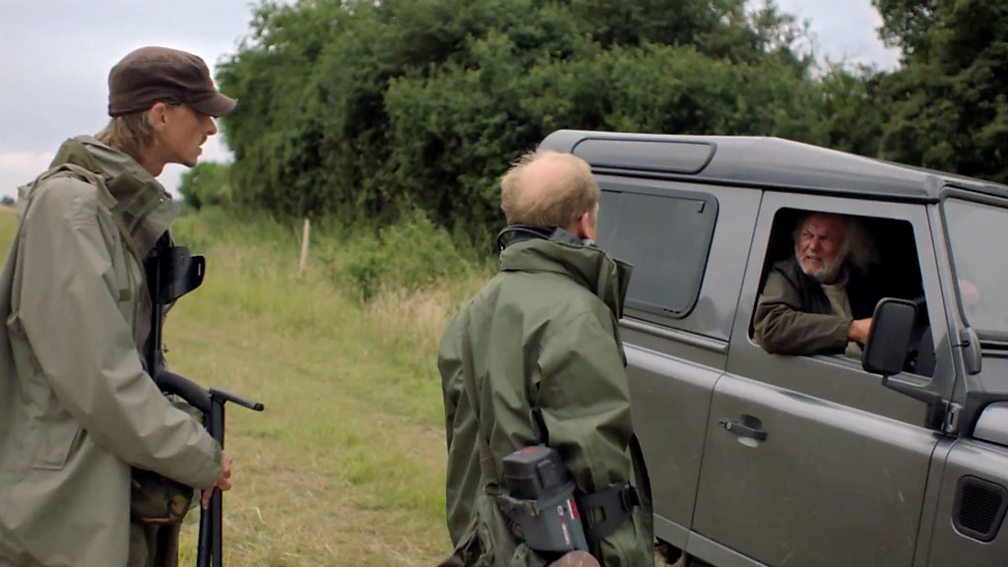
So what does the responsible detectorist do? You stop normalising it. You stop laughing along with “cheeky” stories that aren’t cheeky at all. You refuse to buy dodgy finds. You refuse to amplify accounts that fetishise secrecy and brag about “exclusive spots.” And if you see suspicious activity—fresh holes, vehicles at odd hours, repeat trespass—you report it to the landowner. If it’s ongoing or serious, you report it through the proper channels. What you do not do is play cowboy. Confrontations in rural settings can escalate quickly, and the fastest way to turn heritage crime into personal harm is to try to “handle it yourself.”
If you want a line to live by, it’s this: the hobby has no future if it can’t police its own culture. Not with pitchforks, but with standards. With refusal. With reporting. With a hard social boundary around behaviour that damages everyone.
Nighthawking is the rot under the floorboards. Ignore it and eventually the whole house smells like it.