The Daily Dig’s Ultimate Beginner’s Guide to Metal Detecting in the UK. The Real Deal.
 admin
Posted On January 6, 2026
admin
Posted On January 6, 2026

Metal detecting is sold to beginners as a wholesome stroll with occasional gold. In practice, it’s a long-term relationship with mud, iron, and the humbling realisation that your “definitely a coin” signal is, once again, the shredded remains of a tractor part. That’s not a flaw in the hobby. That’s the hobby.
If you start properly, you’ll build permissions, skill, and the sort of fieldcraft that quietly produces good finds over time. If you start badly, you’ll become a minor local legend in the worst way: “the one who left holes,” “the one who posted the gate on Facebook,” “the one who said he’d report it and then vanished.”
This guide is the clean start. UK-appropriate. Permission-led. Legally literate. No fantasy, no nonsense.
Begin with the uncomfortable truth: you’re borrowing land and touching history
A field is not a theme park. It’s someone’s business. The soil is also an archive. The moment you dig, you change that archive forever. Your job is to recover responsibly, minimise damage, and—when appropriate—turn your finds into recorded knowledge rather than private trophies.
The Portable Antiquities Scheme’s Code of Practice for Responsible Metal Detecting is the baseline for what “good” looks like in England and Wales: permission first, avoid protected sites, minimise damage, and record/report appropriately. (The Portable Antiquities Scheme)
Permission: the only starting point that isn’t a lie
No permission, no detecting. Everything else is cosplay.
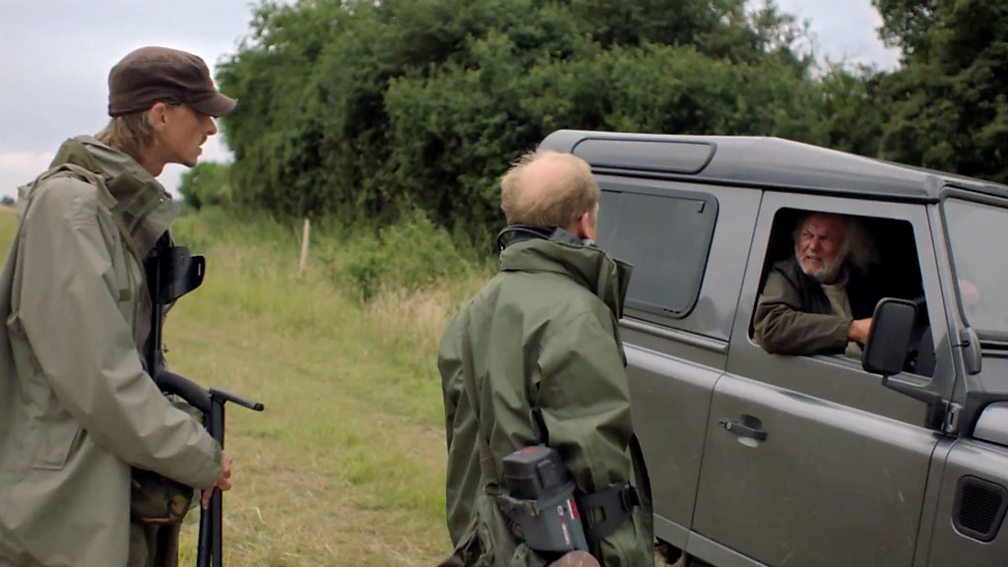
Permission means explicit agreement from the landowner or the person with legal authority to grant access. It also means clarity: where you can go, when you can go, how you access the land, what you must avoid (livestock, crops, stewardship areas), whether you can bring anyone else, and how finds are handled.
If you want a quick shortcut to what landowners reasonably expect, PAS publishes guidance specifically for landowners, occupiers and tenant farmers. It’s useful because it shows you what “responsible” looks like from the other side of the gate. (The Portable Antiquities Scheme)
Make your permission agreement boring. Boring keeps you detecting next season.
Know the law before you know your settings
Beginners obsess over modes and frequencies, then act surprised when the legal framework turns out to be more important than “Park 2.”
Treasure reporting is time-bound and not optional
UK Government guidance is explicit: you must report treasure to your local Finds Liaison Officer within 14 days of finding it, or within 14 days of realising it might be treasure, even if you’ve had it longer. (GOV.UK)
PAS also explains the discovery and reporting process and what typically happens when you bring in potential Treasure. (The Portable Antiquities Scheme)
You don’t need to be a legal scholar. You do need to be the kind of person who reports promptly when it matters.
Scheduled monuments are not “worth a quick go”
Historic England is clear: consent is required to operate a metal detector on a scheduled monument under Section 42 of the Ancient Monuments and Archaeological Areas Act 1979, and using a detector or removing an object without consent is against the law. (Historic England)
Government licensing guidance reinforces that using a metal detector or removing an object from a protected site without the relevant licence/consent is a criminal offence. (GOV.UK)
As a beginner, your policy is simple: avoid protected sites entirely unless you are operating under formal consent and professional methodology. You are not “missing out.” You are staying legitimate.
Scotland is different
If you detect in Scotland, you’re in Treasure Trove territory. Under Scottish law, portable antiquities of archaeological, historical or cultural significance must be reported to Treasure Trove. (Treasure Trove)
Do not assume “UK rules” are one set of rules.
Choose your first ground like you choose your first permission: sensibly
Beginners often start where access is easiest, which is usually where detecting is worst: hammered public spaces, modern junk, and maximum suspicion from passers-by.
A better route is permissioned farmland. Arable is generally more forgiving for learning because digging and reinstatement are simpler. Pasture can be brilliant but is also where poor plug work ends permissions quickly.
Avoid going out in conditions that will cause damage. Wet ground, fragile seedbeds, and churned turf are not “a bit of mud.” They’re a fast-track to losing trust.
Buy a detector you can learn, not a detector you can brag about
Your first detector should be stable, simple to operate, and comfortable. Beginners don’t fail because their machine isn’t expensive enough. They fail because they never learn what their machine is telling them, then compensate by digging everything, making mess, and calling it “experience.”
Prioritise usability: clear target ID, predictable audio, decent recovery speed, and ergonomics that won’t ruin your shoulder. The most important feature is not a menu option. It’s time on the coil with consistent settings until you understand the language.
Learn the two skills that actually matter: coil control and digging
Coil control: slow is professional
Most beginners swing too fast and too high. That loses depth and misses masked targets. Keep the coil low and level. Overlap swings. Work methodically. If you’re covering ground like you’re mowing a lawn in a hurry, you’re not detecting; you’re doing cardio with electronics.
Digging: your plug is your reputation
If your holes look like a badger has had a nervous breakdown, you’re done—maybe not today, but soon.
Neat plugs in pasture. Full backfill in arable. Leave the surface level. Remove sharp scrap. Take your rubbish home. This is basic countryside respect and aligns with broader visitor expectations in the Countryside Code, including leaving gates as you find them and not interfering with livestock or machinery. (GOV.UK)
What to dig as a beginner: build a mental library, then become selective
Early on, dig more than you want to. Not forever—just long enough to calibrate your ear and your expectations.
You’re learning what common rubbish looks like on your permissions: ring pulls, foil, shotgun caps, deep iron falses. Once you recognise the worst offenders, you can start being selective without becoming the person who “only digs perfect signals” and therefore misses half the hobby.
A good beginner is not the one who digs the least junk on day one. It’s the one who improves week by week and leaves the land tidy every single time.
Finds handling: don’t destroy the thing you’re excited about
Beginners ruin finds through enthusiasm. Coins get rubbed raw. Fragile artefacts get snapped in half. Patina gets stripped because someone wanted an instant identity hit in the field.
Your default behaviour should be gentle recovery, minimal cleaning, and proper bagging. Photograph anything that looks significant before you do anything irreversible. If you suspect you’ve found something that might be Treasure, slow down and follow the reporting route. (GOV.UK)
Recording and help: use the system that keeps the hobby defensible
PAS exists for a reason: it turns isolated objects into usable knowledge and gives the hobby credibility. If you want to record finds or get advice, PAS publishes contacts for Finds Liaison Officers. (The Portable Antiquities Scheme)
You don’t need to record every bit of scrap. You should record the sorts of finds that contribute to understanding of the landscape: older coins, diagnostic artefacts, and anything suggesting settlement, routes, or activity. The act of recording is part of what separates responsible detecting from mere collecting. (The Portable Antiquities Scheme)
Social media: protect your permission like it’s part of the deal
Beginners love posting. Fair enough. Just don’t post your access point, your gate, your field edge, the farm name in the background, and a helpful caption like “Back out in the same spot tomorrow.”
Responsible sharing is discreet sharing. If you value your permission and your local area, treat location as confidential by default.
What “good progress” looks like in your first year
You’ve kept a permission because your plugs are neat and your behaviour is reliable. You can recognise common rubbish signals and iron falsing. You’re confident about what to do when you suspect Treasure. You understand protected sites well enough to avoid them without drama. You’ve engaged with PAS or at least know how and when to do so. (GOV.UK)
That’s the real beginner win: competence, trust, and consistency. The finds follow the process, not the other way around.
If you want, I’ll adapt this into a tighter “field handbook” version that reads like something you’d print and keep in the car—same standards, sharper pacing, more Daily Dig bite.