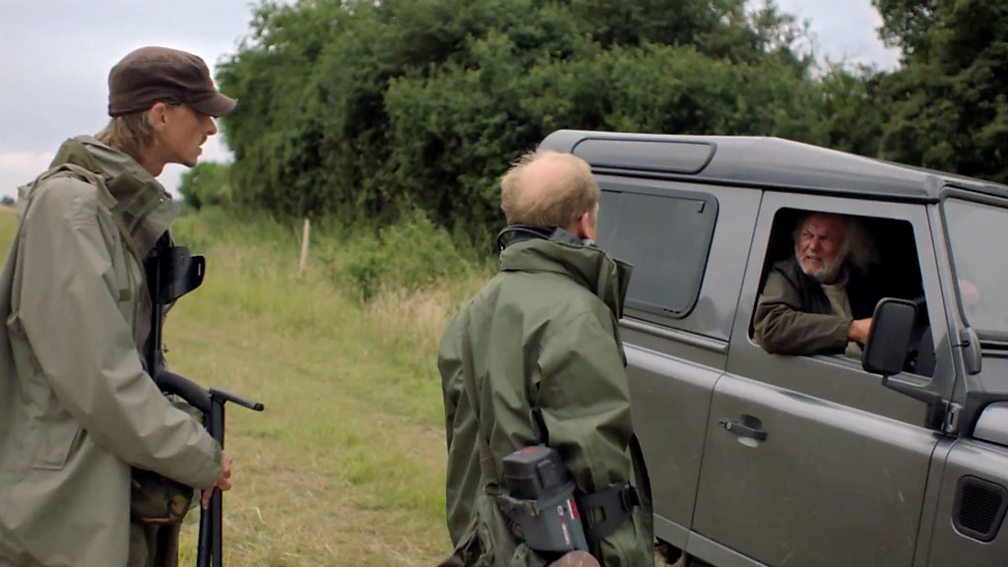
The Daily Dig’s Ultimate Guide to Gaining Permissions in the UK. The Real Deal.
 admin
Posted On January 6, 2026
admin
Posted On January 6, 2026
Most detectorists don’t fail because they’re bad at detecting. They fail because they’re bad at earning trust. They buy better machines, watch more videos, and learn a dozen ways to interpret a wobbly VDI number, yet they still can’t get onto decent land because their “approach” is basically hope plus a Facebook message written like a late-night text to an ex.
Permissions are not luck. They are relationship management. They are reputational capital. And they are the only route to consistent, meaningful detecting in the UK—because the baseline standard in England and Wales is straightforward: obtain permission from the landowner/occupier before detecting, avoid protected sites, minimise damage, and behave like you deserve access. (The Portable Antiquities Scheme)
This is the real deal: how to get permissions, how to keep them, and how not to ruin them with amateur-hour behaviour.
Understand what you are asking for
When you ask for a permission, you are asking a landowner to take a risk on you. Not an abstract risk—an operational one.
They’re thinking about gates left open, livestock stressed, tyres in the wrong place, holes in pasture, strangers turning up because someone posted a landmark online, and the uniquely British phenomenon of “someone said they had permission” (they didn’t). They are also thinking about liability, because on a practical level you are a visitor on their land and they will have a duty of care. (Strutt & Parker – Rural Hub)
If you approach permissions like you’re doing them a favour by gracing their field with your coil, you will get ignored. If you approach permissions like a professional adult who reduces risk and increases trust, you will get opportunities.
Start where permissions actually come from
Permissions come from networks, not from bravado.
Good routes are mundane: friends and family, local farmers you already know, local rural trades, equestrian contacts, smallholders, shoot contacts, parish networks, village noticeboards, and quiet word-of-mouth through other landowners. It’s not glamorous, but neither is the reality of farming, and that’s the point.
The best “first permission” is often a small, manageable one—because it lets you prove you’re tidy, reliable, and not a liability. Then the second permission comes because someone asks the landowner, “What’s that detector chap like?” and they say, “He’s sound. Leaves it as he found it.”
Timing matters more than your script
Farmers live by the calendar. You should too.
If you approach at the wrong moment—harvest pressure, drilling, lambing, calving, moving stock, weather windows—you are not “keen,” you are noise. You want to approach when the landowner can actually think, and when granting access won’t immediately collide with operations.
Even after you get permission, you must behave like the permission exists within a working landscape. That means basic countryside competence: leave gates and property as you find them, don’t block access points, respect livestock, and don’t turn up like you own the place. The Countryside Code is unglamorous, but it’s the common standard for being welcome in rural England. (GOV.UK)
Your first contact should feel safe, not salesy
Most permission requests fail because they read like a scam.
The winning tone is calm, local, and low-pressure. You introduce yourself, you make it clear you understand permission is required, you explain how you detect responsibly, and you offer to meet briefly at their convenience. You don’t ask for “all your land.” You ask for a conversation.
If you write a message, keep it short, specific, and respectful. If you knock on a door, treat it like you’re asking for a favour (because you are), not pitching a business scheme.
A serious point that many miss: you are not trying to “convince” them detecting is wonderful. You are trying to convince them you, personally, are low risk.
Give them confidence on the two things they actually care about: ground and hassle
Landowners care about the state of the ground and the amount of hassle.
So address those directly. Tell them, plainly, that you dig neat plugs, reinstate properly, remove your litter, and will happily take away sharp scrap that could harm stock or damage machinery. Tell them you will not bring guests without asking. Tell them you will not share locations. Tell them you will check in before each visit rather than appearing like a recurring rumour.
PAS’s guidance for landowners is explicit that detecting should only happen with permission and that protected sites such as scheduled monuments require the relevant consent; it’s also aimed at helping landowners manage the relationship sensibly. (The Portable Antiquities Scheme)
This is where you separate yourself from the “I’ll be careful, mate” crowd. You’re not promising care; you’re describing a method.
Be clear about protected sites and show you’re not reckless
If the words “scheduled monument” enter the picture, you need to be unequivocal.
Historic England is clear that consent is required to operate a metal detector on a scheduled monument under Section 42 of the Ancient Monuments and Archaeological Areas Act 1979. (Historic England)
You don’t have to lecture the landowner on legislation, but you should demonstrate you know where the legal lines are and that you won’t drag them into trouble. That alone will make you feel safer than many requests they’ve had before.
Have the finds conversation early, like an adult
This is the moment most people avoid, then later pretend is “complicated.”
Finds ownership and reward expectations should be agreed up front. Many permissions end on the day something valuable is found, not because the landowner is greedy, but because nobody set expectations and everyone gets spooked.
In England and Wales, you should also explain that you follow the Treasure process and that anything potentially Treasure will be reported promptly. The point isn’t the technical detail; it’s showing you aren’t going to create drama. (The Portable Antiquities Scheme)
If you want to look particularly competent, offer a simple one-page written agreement. Not because you’re trying to “lock them in,” but because it protects both sides from misunderstanding. It’s hard to argue about what was agreed when it’s written down.
Make it easy for them to say yes without losing control
The easiest “yes” for a landowner is one that keeps control with them.
Offer boundaries. Offer specific fields. Offer restricted windows. Offer a trial period. Offer a simple check-in process. Offer to avoid pasture unless invited. Offer to stay away during lambing or when ground conditions aren’t suitable.
Permissions often fail because the detectorist asks for too much too fast. A modest, controlled agreement is a far better foot in the door than “Can I do your whole farm, whenever I want, with my mates, forever?”
Behave like you want the permission next year, not just this weekend
Keeping a permission is mostly admin and manners.
You message before you go. You respect “not this week.” You don’t turn up when ground is a mess. You park where agreed. You shut gates. You don’t wander into private areas. You leave no trace. You take rubbish away. You share a couple of interesting finds and a short note of thanks, without turning it into a performance.
This is also where the Countryside Code is not optional in spirit: be considerate, leave gates as found, and respect the working environment. (GOV.UK)
And here’s the real truth: the landowner is not judging you against an imaginary perfect detectorist. They’re judging you against the last nuisance who asked. If you create less hassle than the last nuisance, you win.
The single fastest way to lose permissions
Posting locations. Posting landmarks. Posting field gates. Posting “back out on the same permission tomorrow.”
Nothing says “I don’t understand trust” like turning someone’s private land into public content. You may not intend harm, but you’re effectively advertising access and increasing the risk of trespass and nighthawking. Any landowner with two brain cells will shut that down instantly.
Close: treat permissions like account management
A good permission is not a one-time win. It’s a relationship you maintain.
If you want consistent detecting in the UK, stop treating permissions like a lottery and start treating them like professional relationship management. Reduce risk. Increase trust. Behave predictably. Keep the ground tidy. Respect the farm calendar. Have the finds conversation early. Stay discreet.
Do that, and you’ll be the detectorist landowners recommend. Which is the only marketing that actually works.