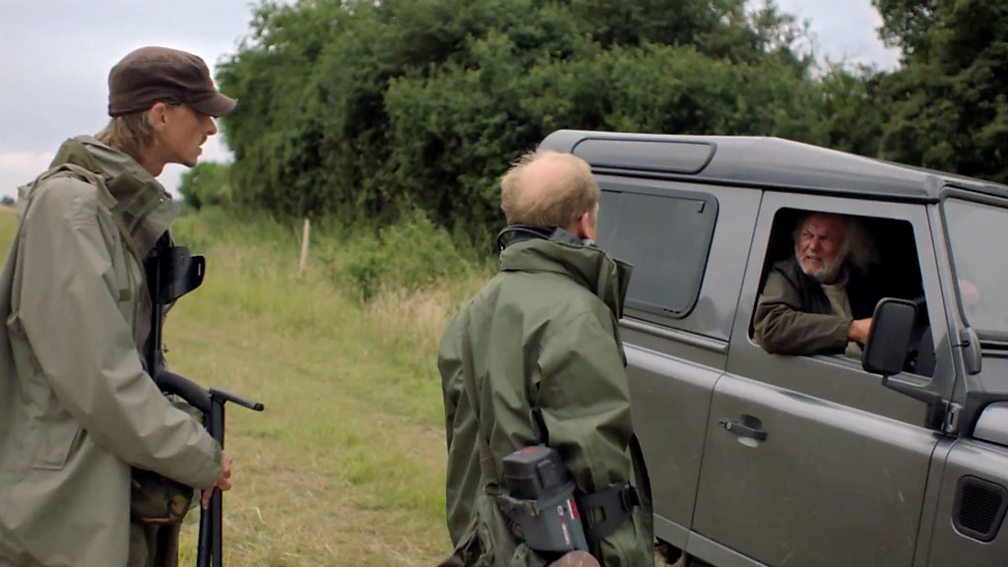

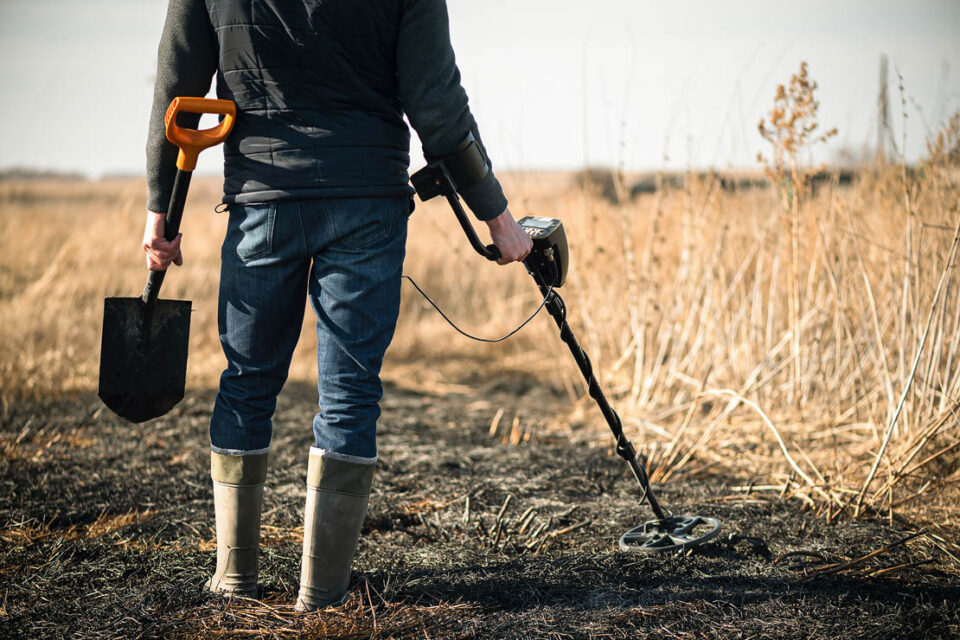
It starts innocently. A spare hour. A quick wander. A harmless little “I will just check that corner by the oak.” Then, three months later, you are standing in a freezing gateway at 7:10am, staring at a stubbled field like it is an old friend who owes you money, convincing yourself this is a normal way for a functioning adult to behave.
Welcome to the Just One More Field Syndrome. Not a medical condition, sadly. If it was, we could get a prescription and claim a new pinpointer on the NHS. It is a mindset. A way of life. A gentle but relentless psychological drift where you stop viewing fields as places and start viewing them as unfinished conversations.
Because a field is never done. That is the lie we tell ourselves when we are trying to be sensible. “We have done that one loads.” “It is hunted out.” “Nothing left.” All phrases spoken with great confidence, usually moments before someone pulls a tidy bit of hammered out of the exact line you have walked twenty times. The truth is that a permission does not get exhausted. It gets seasonal. It gets rearranged. It gets re-exposed. It gets quietly reshuffled by plough, rain, frost, worms, and whatever chaos the farmer has inflicted on it since last time.
The obsession has a simple engine. Detecting gives you intermittent reward, which is the most powerful and destructive form of motivation known to humanity. Casinos run on it. Social media runs on it. Metal detecting is the rural, morally superior version where you pay in mud and patience instead of money and dignity. Most days you get nothing that excites you. Then, randomly, you get a coin with a portrait that has survived centuries and still stares back at you like it knows exactly how ridiculous you look kneeling in a puddle.
That unpredictability is the hook. It turns reasonable people into weather stalkers. You stop saying “rain” and start saying “good for soil conditions.” You stop enjoying a crisp frost as a winter pleasure and start muttering about signals being “sharper.” You know the plough schedule in three villages like you are working for the Department for Environment, Food and Rural Affairs. You have strong opinions about stubble height, and they are not normal opinions to have.
And then there is the other drug: near-misses. Not the big finds. The near-misses. The subtle evidence that the field is alive. A cut quarter. A clipped silver fragment. A buckle plate with one remaining rivet. A medieval strap end that has been through the wars. These things are not just finds. They are receipts. They are the field whispering, “You are close,” in the same way an abusive ex texts “miss u” at 2am. And like a fool, you go back.
The syndrome gets worse when you have what I call the “permission glow.” That moment when a landowner trusts you, likes you, and tells you about the history of their land. Suddenly it is not just a field. It is a responsibility. It is a relationship. You become protective. You become territorial, in a polite British way where you do not say it out loud, you just quietly judge anyone else who detects there as if they have moved into your childhood bedroom.
There is also a darker variant: the influencer effect. The online version of detecting is an endless parade of perfect finds, perfect lighting, perfect smiles, and never a single mention of the twelve consecutive trips where the highlight was a tractor reversing. That creates a quiet pressure. You feel like you should be finding more. You should be posting more. You should be “productive.” So you go again. And again. And again. Just one more field, just one more session, just one more grid line, just one more hour, until your weekends become a series of muddy appointments you are weirdly proud of.
The funniest part is how we rationalise it. Detecting has the best excuses in the world because they are mostly true. It is exercise. It is fresh air. It is history. It is mindfulness. It is community. It keeps you away from screens. It makes you happy. All correct. But if you are honest, none of those are the reason you are back on that same field for the ninth time this month. You are there because last time you got a whisper of something, and you cannot stop thinking about it.
So how do you live with Just One More Field Syndrome without letting it turn you into a muddy ghost who only appears at dawn and communicates in grunts and target IDs?
First, accept the addiction for what it is: hope with a coil attached. It is not just “finding stuff.” It is the promise that history might still be waiting for you, just under the next clod.
Second, structure it. If you have a permission you love, treat it like a long-term project rather than a slot machine. Work it in phases. Hit it after plough. Hit it after heavy rain. Hit it after the crop comes off. Keep notes. Think like an amateur field archaeologist, not a desperate prospector.
Third, do not chase content. Chase standards. If you are reporting properly, recording properly, filling holes properly, and leaving land better than you found it, you are already doing the hobby right. The internet is optional. History is not.
Finally, remember that the field is not going anywhere. The past has been under there for centuries. It can wait a few days while you see your family, do your life admin, and pretend to be normal for an afternoon.
But you will be back. Of course you will. We all will. Because the core truth remains: a field is never done, and neither are we.